


Table of Contents
India’s Bold Move: Mandatory Pre-Installed Cyber Safety App on New Phones, Featuring Sanchar Saathi
Sanchar Saathi — India’s citizen-centric telecom safety platform — is now set to reach many more users. The government has mandated a pre-installed cyber safety application on all new smartphones sold in India. This move is designed to protect citizens from scams, fraud, device misuse and a wide array of cyber threats right from the moment a phone is switched on.
Why India Introduced a Mandatory Cyber Safety App Sanchar Saathi
India’s digital expansion is unrivalled: millions of new users come online every year, digital payments are mainstream, and smartphones are the primary computing device for most citizens. However, this rapid adoption has also attracted malicious actors. From phishing messages and fake loan apps to OTP fraud and deepfake calls, the threat surface has multiplied. As incident reports increased and vulnerabilities were exploited, the government decided to make an active intervention — putting safety tools directly on devices.
The rationale is simple and pragmatic: when a smartphone arrives in the hands of a user it should already be equipped with baseline protections. Instead of asking each user to find, trust and install security tools, the state ensures an initial shield is present by default. This is particularly critical for first-time smartphone users, elder citizens, and rural populations who may lack the technical knowledge to evaluate trustworthy apps.
What the Mandatory Cyber Safety App Sanchar Saathi Will Provide
The mandate requires a set of core features to be present across pre-installed safety apps. While manufacturers may implement brand-specific experiences, the baseline security toolkit will include:
- Spam call & SMS filtering — Identifying and blocking fraudulent communications.
- Fraud alerts — Warnings for suspicious links, websites, apps and social engineering attempts.
- Device security tools — IMEI/CEIR integration, device tracking, remote wipe and anti-theft measures.
- User education — In-app tips, safety checklists and context-aware warnings to raise awareness.
- Easy reporting — One-tap reporting of suspicious calls, messages or lost devices to the appropriate authorities.
These features are designed to create a uniform minimum standard of digital safety across devices — from entry-level phones to premium handsets.

Sanchar Saathi: A Pillar of India’s Cyber Safety Strategy
Sanchar Saathi (a DoT initiative) has already been an effective tool in India’s cybersecurity toolkit. It combines several services into a single citizen-facing portal. The new pre-installed app will likely integrate elements of Sanchar Saathi or provide direct links to its functionality, increasing reach and ease-of-use.
Key Sanchar Saathi Services
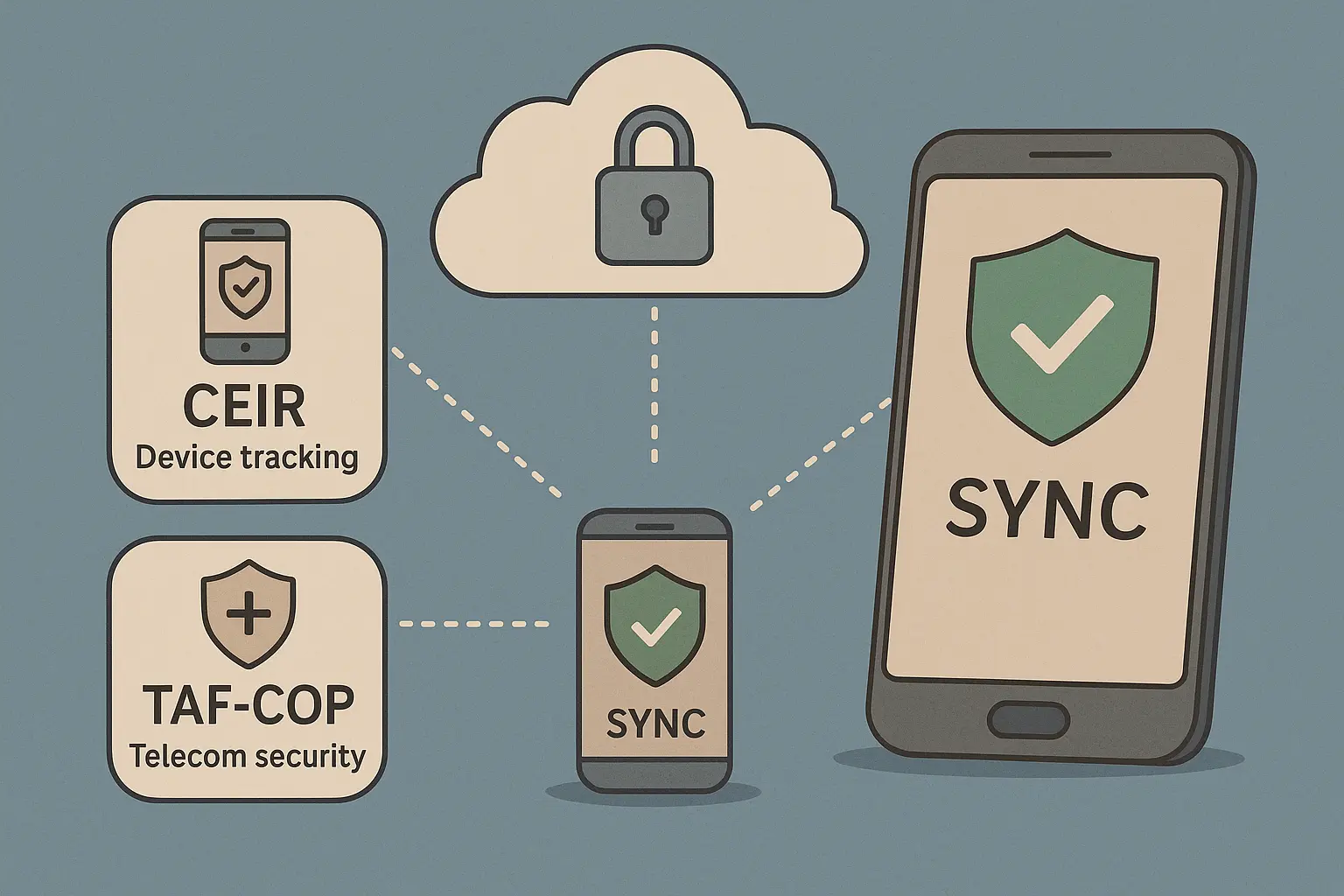
- CEIR (Central Equipment Identity Register) — A national IMEI database that allows blocking and tracing of stolen or lost mobile phones and prevents reactivation by bad actors.
- TAF-COP (Telecom Analytics for Fraud Management and Consumer Protection) — Enables citizens to check the number of mobile connections registered in their name, detect unauthorised SIMs and report SIM-related fraud.
- Chakshu (Eye) — A reporting tool for suspected fraudulent communications like scam calls, SMS and WhatsApp messages, helping central agencies identify large-scale patterns.
Integrating these services into a pre-installed application means individuals can act immediately — block a stolen phone, check for duplicate SIMs, or report suspicious messages — without searching for the service or dealing with confusing procedures.

Core Features Explained — What Users Will Experience
Below are the main capabilities users can expect inside the mandated cyber safety app:
Spam Call & SMS Filtering
The application will detect and flag common scam templates — fake EMI, loan offers, lottery wins, and impersonation attempts — and allow users to block such numbers. Using crowd-sourced reports and government blacklists, the filter will improve in accuracy over time.
Fraud Alerts for Malicious Links & Apps
By scanning incoming messages for suspicious URLs and comparing installed apps against known malicious packages, the app will warn users before they click dangerous links or grant risky permissions.
IMIE/CEIR Anti-Theft Integration
Through CEIR, the app will allow quick blocking of stolen phones based on IMEI, preventing criminal reuse. If users mark their device as lost, the app can trigger actions like remote locking or initiate a recovery workflow with law enforcement.
User Education — Timely & Contextual
Instead of a static tutorial, the app will push contextual safety tips — for example, warning users about investment scams during tax season or sending special alerts about new phishing messages targeting bank customers.
Direct Reporting Channels
Reporting tools will connect citizens to central helplines, DoT complaint systems and local cyber police stations, streamlining the process of lodging complaints and triggering faster responses.

Implications for Consumers
The impact on ordinary users will be immediate and mostly positive:
- Out-of-the-box protection: New phone users will have instant defenses against common scams.
- Lower friction: No need to search for trustworthy security apps or navigate confusing app stores.
- Increased awareness: Constant in-app prompts and articles will educate users about safe digital practices.
- Privacy concerns: Some users may ask about data collection. Authorities must communicate transparently — the app should operate without intrusive data harvesting.
Over time, this approach can significantly reduce financial losses from frauds and boost trust in digital services, encouraging more citizens to participate in the digital economy.
What This Means for Manufacturers
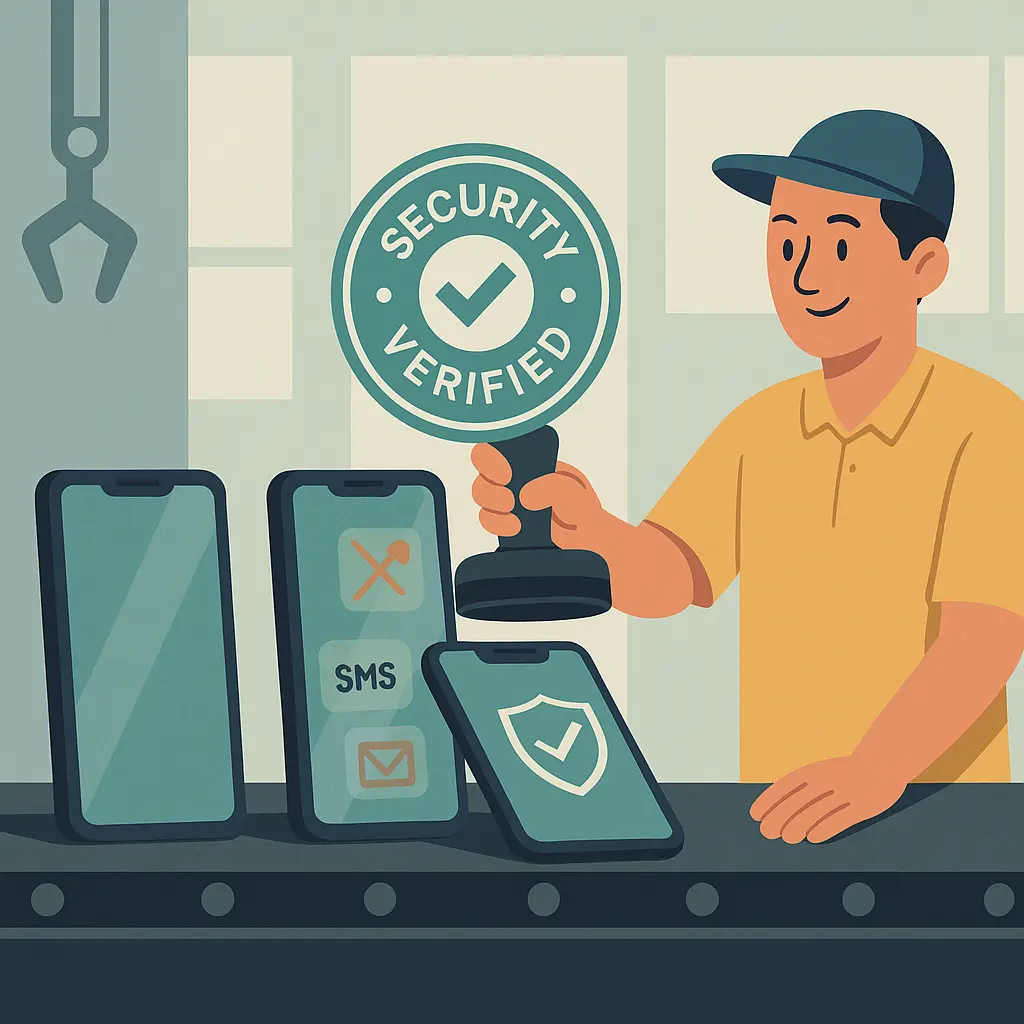
Phone makers will need to adapt production software pipelines to pre-install the mandated app, ensure compatibility across models and OS versions, and maintain the app with regular security updates. They must also ensure the app does not degrade user experience (battery, storage, permissions) or become a source of bloatware complaints.
At the same time, this mandate creates business opportunities: OEMs can work with domestic cybersecurity vendors to create localized, lightweight solutions and add value to their devices with certified security features.
Balancing Security and Privacy
Mandatory security apps raise natural privacy questions. The government and manufacturers must address these proactively:
- Transparency: Clear privacy policies describing what data is used and why.
- Minimal metadata: Use threat-related metadata rather than personal content.
- Open auditing: Allow independent audits so citizens trust the app’s operations.
- Opt-out choices: Provide reasonable controls while preserving baseline protections.
Trust will be the key — a well-communicated, privacy-preserving app will enjoy broader adoption and more effective protection.
How Sanchar Saathi Integration Amplifies Impact
Integration with existing government services like Sanchar Saathi means rapid, widespread adoption of proven mechanisms:
- CEIR integration: Prevents stolen phones from being reused by criminals.
- TAF-COP: Lets users verify SIM registrations and report unauthorised connections.
- Chakshu: Rapidly aggregates suspicious messages for national analysis and takedown.
The app will act as a local interface to national infrastructure — empowering users while strengthening national defence against cybercrime.
Potential Challenges & How They Can Be Addressed
Every large-scale rollout has friction points. Anticipating these will help ensure the policy’s success:
1. Technical Integration
Manufacturers must ensure the app runs on diverse chipsets and OS versions. Solution: Detailed technical guidelines and phased rollouts with pilot testing.
2. Language & Accessibility
India’s linguistic diversity calls for multi-language support and accessibility features for differently-abled users. Solution: Localised UI, voice prompts and lightweight regional language modules.
3. User Trust
Citizens wary of government apps may be reluctant to use them. Solution: Independent audits, transparency reports and collaboration with NGOs to build trust.
4. Evolving Threats
Cyber threats constantly evolve. Solution: Continuous updates, threat intelligence sharing with CERT-In and rapid patch deployment.
Longer-Term Benefits for the Digital Ecosystem
When the baseline level of mobile safety rises across the population, several positive secondary effects follow:
- Higher digital participation: More people will adopt online banking, e-governance and e-learning with confidence.
- Lower economic losses: Reduced fraud supports consumer trust and stimulates digital commerce.
- Stronger national security: Reducing phone theft and SIM cloning disrupts criminal networks.
In short: device-level protections are not only about stopping scams — they are about enabling a healthier digital economy.
Where to Find More Help — Useful Links
For readers who want to explore related topics, consider:
- Posting Zero Trend — Why People Are Choosing Silence on Social Media
- Department of Telecommunications (DoT)
- CERT-In (Indian Computer Emergency Response Team)
Conclusion: A Proactive Digital Safety Paradigm
India’s mandate to pre-install cyber safety apps on new phones — integrated with Sanchar Saathi services — is a bold, necessary and forward-thinking step. It recognizes that technology’s promise must be paired with protection. By shifting responsibility for baseline security from the user to the device, India is setting a strong precedent: digital inclusion must be accompanied by digital safety.
If executed with transparency, privacy safeguards and continuous upgrades, this policy will not only prevent countless scams and thefts but also boost confidence in India’s digital economy — laying a safer foundation for the future.